Lucky Pinball: the ball bounces, chance decides
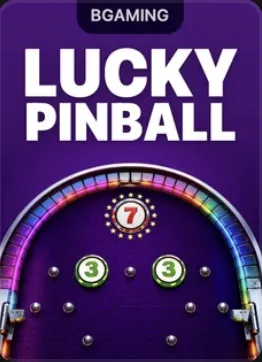
The Lucky Pinball tile shows a pinball table with a red bumper marked 7, two green bumpers marked 3 and rainbow neon rails. It's one of the more visually distinct games in Rabona's featured set. On casinorabona.biz we use it to explain something that applies to many modern casino games: a physical-looking animation doesn't mean your skill is involved.
Find the game at RabonaAnimation isn't skill
On a real pinball machine you work the flippers and your reflexes change the result. In casino games styled as pinball or dropping balls, the result is typically determined first by a random number generator and the animation then plays it out. We point this out so you don't raise your stakes believing you're "getting the hang of it". The game's rules, in the information panel, describe how outcomes are decided.
What to check
| Item | What to look for |
|---|---|
| Mechanic | A pinball-themed slot or a ball game with prize pockets |
| Bumper values | Whether the 7 and 3 are prizes or multipliers |
| Risk level | Whether you can choose it and how the paytable shifts |
| RTP and maximum win | In the panel of the version you play |
Choosing a risk level, if offered
Where a game lets you pick risk, low settings pay small amounts often and high settings concentrate the return into rare, large prizes. The house edge is usually the same across settings; only the shape of the ride changes. On a small budget, low risk stretches the session; high risk can end it in minutes. There's no winning setting.
Numbers we won't invent
We don't list a studio, RTP or maximum win for Lucky Pinball because we couldn't confirm them in agreeing sources. The in-game panel is where the real figures live.
Autoplay with limits
Ball games tend to have very quick rounds and an autoplay button. If you use autoplay, set both a loss limit and a round limit. A cautious example: 50-unit budget, 0.5 per round, autoplay capped at 50 rounds, then a forced pause to decide calmly whether to continue.